Community Activation is one of three pillars upholding the framework of our Purpose Earth grant and mentorship program. This pillar supports projects creating a positive and thriving local community fabric, while building interactive and collaborative networks of energized, creative and activated groups.
Explore the extraordinary projects committed to this important work below.
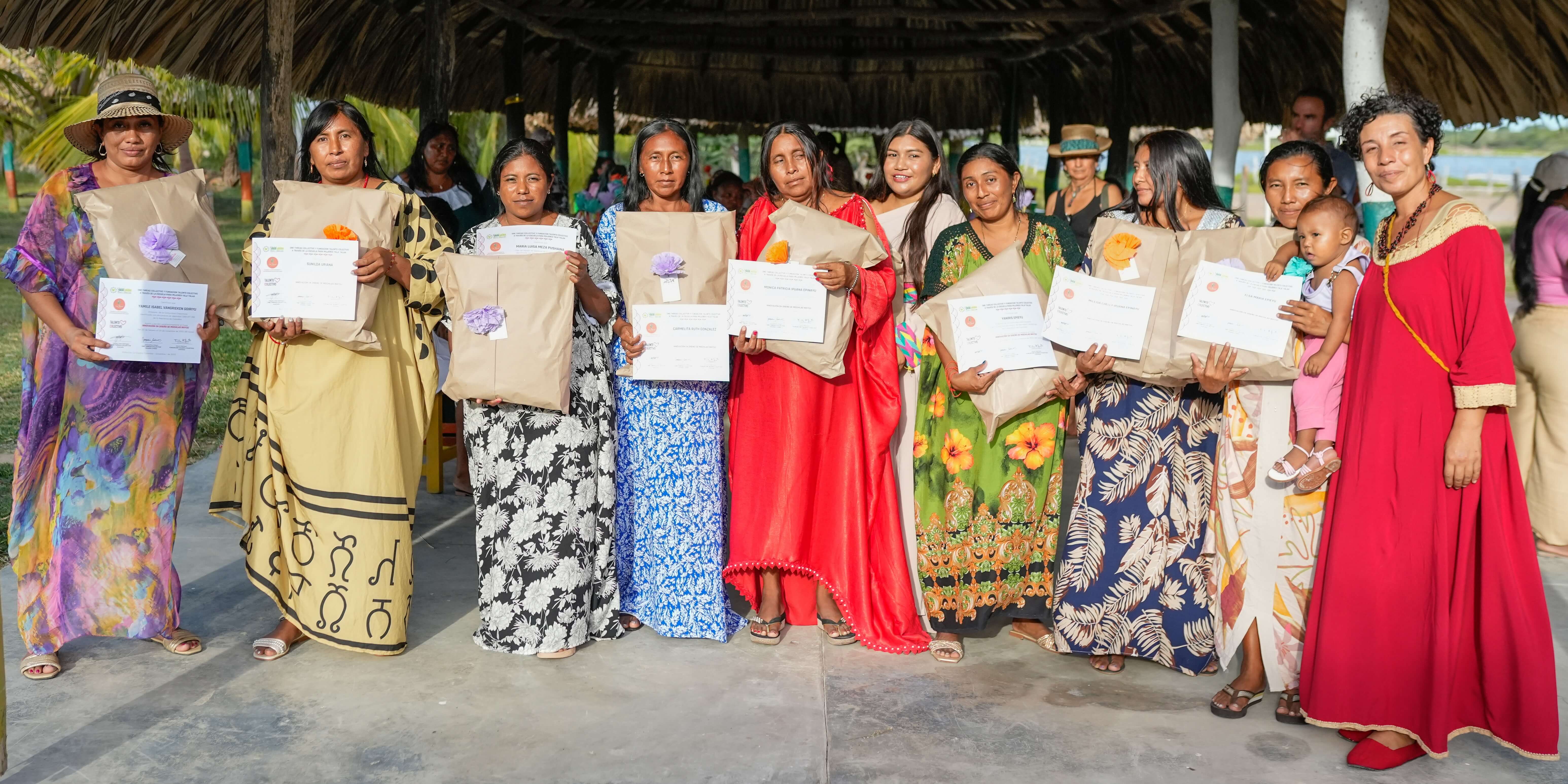
The Wayuu, Colombia’s largest ethnic group, are often referred to as Colombia’s “forgotten people.” Their ancestral territory in La Guajira, the second poorest region in Colombia, is considered a “climate sacrifice zone” where rising temperatures, rapid desertification, and prolonged drought threaten food security and Indigenous life ways. They face many challenges, including state abandonment, political corruption, water scarcity, and lack of basic services. Most Wayuu families do not have electricity or running water despite that the region is rich in numerous natural resources (coal, gas, oil, precious metals) that are extracted and exported out of La Guajira, leaving no benefit to the local communities. In addition, there are very few income earning opportunities for Wayuu folks, especially for women.
The Yala’yalaa School for Women’s Empowerment, an initiative of the One Thread Collective, is addressing these challenges through a 10-month Sustainable Community-Led Entrepreneurship course. This program brings Wayuu women from multiple villages together to address urgent challenges in their rural communities, such as food and water scarcity.
Yala'yalaa means empowered or brave in Wayuunaiki. The goal of this school is to help these marginalized women achieve economic independence while building more sustainable, resilient communities in La Guajira, a region that has been exploited for centuries for its natural wealth.

Boby’s Charity Foundation’s “Go Back to School” project mobilizes and empowers underserved communities to collectively address their most pressing challenges (education and hunger) while building a stronger, more resilient support network. Their aim is to engage parents, teachers, and volunteers to support after-school classes, mentor children, and ensure long-term school attendance.
The project also organizes local food distributions and nutritious meals for families. These areas are characterized by high rates of poverty, overcrowded housing, food insecurity, and low access to quality education. Many families live on less than $3 a day, and thousands of children are out of school due to financial hardship.
The aim of this project is to:
Activate two community hubs in Ajegunle.
Enroll 200 children in after-school learning programs.
Provide 15,000 nutritious meals over 12 months.
Train 50 caregivers and 50 volunteers in literacy support, hygiene, and food handling.
Engage 300+ residents in clean-up and school improvement efforts.
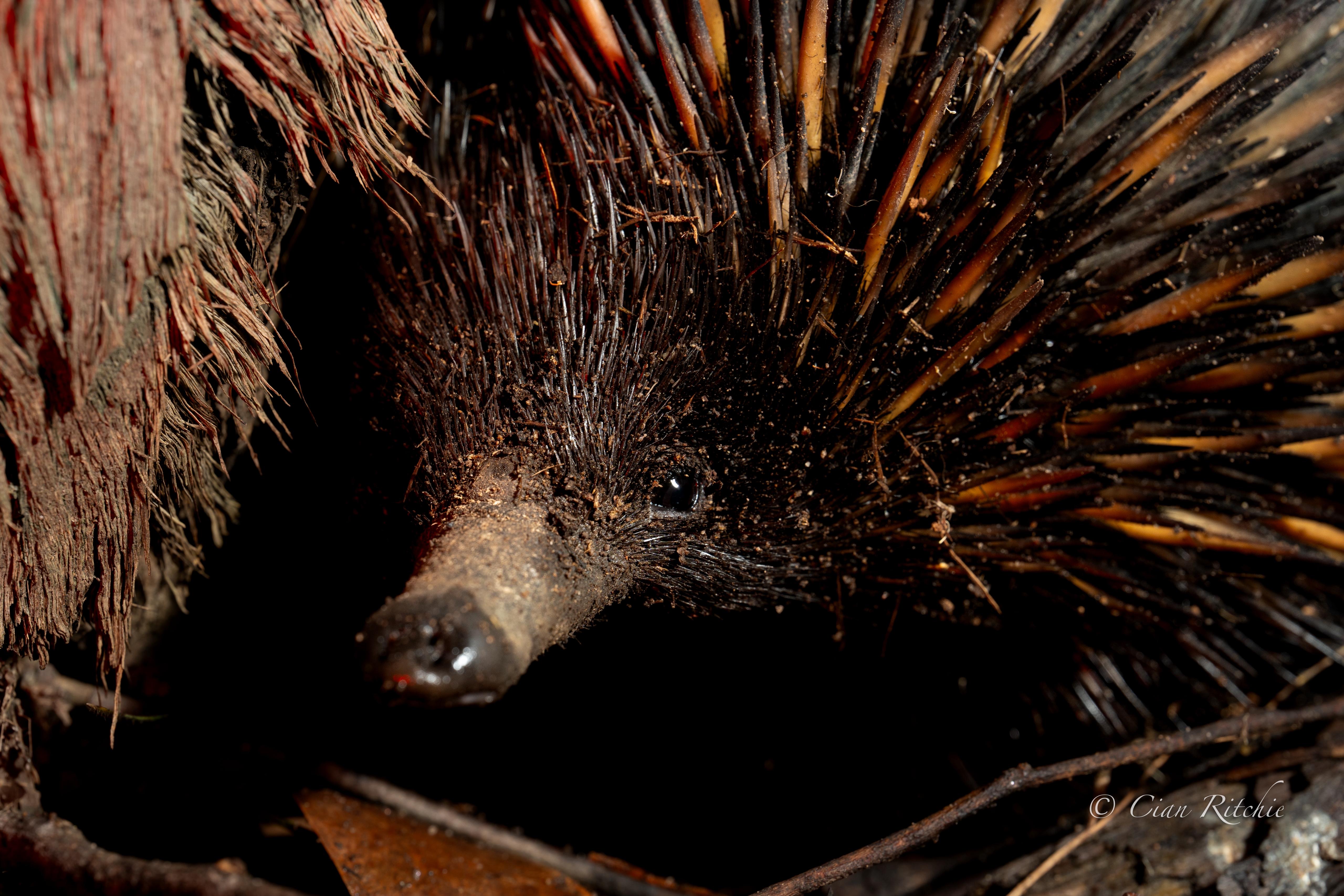
This echidna conservation project is establishing the first structured regional baseline of short-beaked echidna presence, habitat use, diet, and genetic diversity across South East Queensland in Australia. Echidnas are unique egg-laying mammals (monotremes) found in Australia and New Guinea. They are often assumed to be common, but they’re actually cryptic, data-deficient, and in the past, have been incredibly hard to study. Consequently, there isn’t any formal baseline on their abundance, distribution, or how they’re responding to major threats like climate change or invasive fire ants.
By building this baseline now, the project can detect population shifts early and guide future conservation decisions. Community members are trained to identify echidna signs, collect scats for genetic and diet analysis, and participate in long-term monitoring. The project combines community training, camera trap deployment, and ecological modelling to one of Australia’s most iconic but misunderstood species.
Over time, the project aims to grow a regional citizen science network that not only helps us better understand echidnas, but also deepens people’s connection to nature. By making science more accessible and participation more meaningful, they’re building something lasting, for wildlife, ecosystems, and the communities who care for them.

In Murewa, Zimbabwe orphans affected by HIV/AIDS lack access to equitable education, experience interrupted school attendance and social stigmas that often perpetuates a cycle of poverty. This Overcoming Barriers Project focuses on supporting children between the ages of eight and 12-year-olds, who have lost one or both parents to HIV/AIDS related illnesses and are either HIV positive or negative, to become equal contributors in society and to navigate real-world complexities with confidence.
Through the use of interactive, themed youth camps, the Overcoming Barriers Project fosters free expression, curiosity, independent learning, exploration, and experimentation of learned skills. These hands-on opportunities create a mindset shift and help develop essential life skills critical for vulnerable children transitioning into adulthood. The project ensures that the gains are not only realized at an individual level, but in creating a community that is inclusive and safe for all.
The themed camps also draw attention to cultural or societal behaviors in topics of biodiversity loss from superstitious beliefs that have decimated certain species of plants and animals through human activities such as overgrazing and stream-bank cultivation. The children’s contributions are key to the community’s long-term survival as they are becoming active stewards of their environment.
This project has a holistic five-pillar approach where integration is one of the core components. They believe these children should be well-integrated into the community to ensure that their voices are heard and their contribution acknowledged and needed. Through school integration programs, their peers (children ages 6-14) are also positively impacted. Overall, the project equips the children with the necessary skills to not only perform better in formal education set-ups, but contribute to the development of their hard-to-reach community.
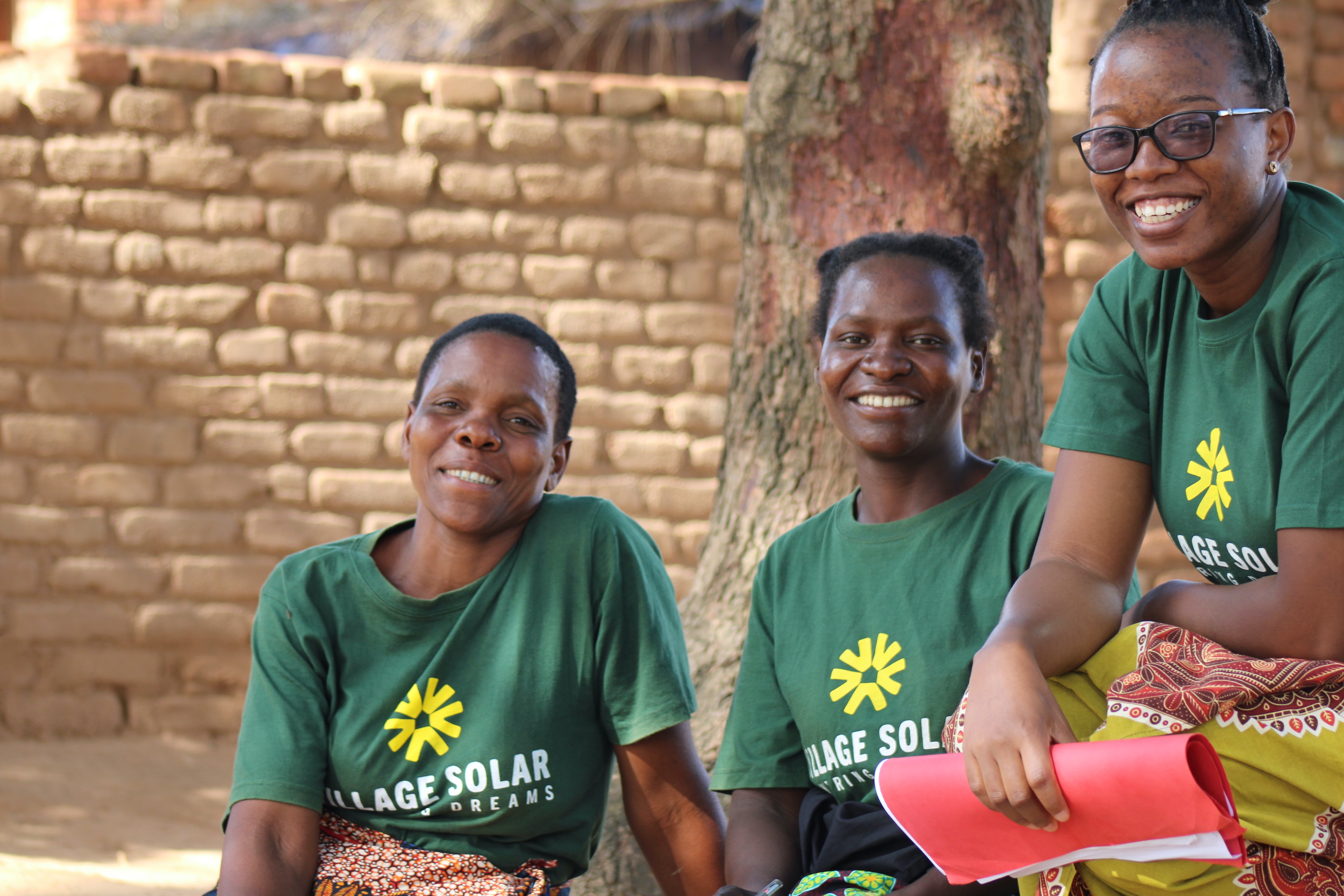
The Kwathu Kuwale Project, meaning “Let My Village Have Light,” is a community-based, clean energy and women’s empowerment initiative led by Village Solar in Malawi. Their goal is to support women in the rural village of Chimwaza to become solar technicians and clean energy entrepreneurs. This initiative will establish a Solar Energy Training Hub in Lilongwe District inviting 15 women to receive training in business skills, cooperative management and solar assembly.
Chimwaza has over 2,000 residents living without electricity. Families rely on candles, kerosene lamps, or cheap, low-quality battery torches. These options are unsafe, costly over time, and provide poor light quality. Indoor air pollution increases the risk of respiratory illness, especially for children. School performance is also affected, as students struggle to study after dark. Women and girls spend long hours collecting firewood or walking for basic services, losing time that could be used for learning or earning. While high-quality solar lamps exist, they are often imported, expensive, and hard to repair locally, limiting their usefulness.
To address these challenges, the Village Solar cooperative developed the Kuwala Eco Lamp, a solar lamp made from fast-growing bamboo and locally available components. It is easy to repair and includes a USB port to charge feature mobile phones. Through the Kwathu Kuwale Eco-Lamp Workshop Project initiative, they have identified and recruited 15 women from Chimwaza, aged 20 years and above, to learn how to build, repair, and sell these lamps.
The women are also learning business skills like pricing, inventory management, sales recording, bookkeeping, and budgeting. To make the project sustainable, they are also setting up a cooperative model where the women being trained will collectively own and manage the solar production workshop.This cooperative will oversee local production, repair, and sales. Members share decision-making and responsibilities, building income, ownership, and long-term growth.
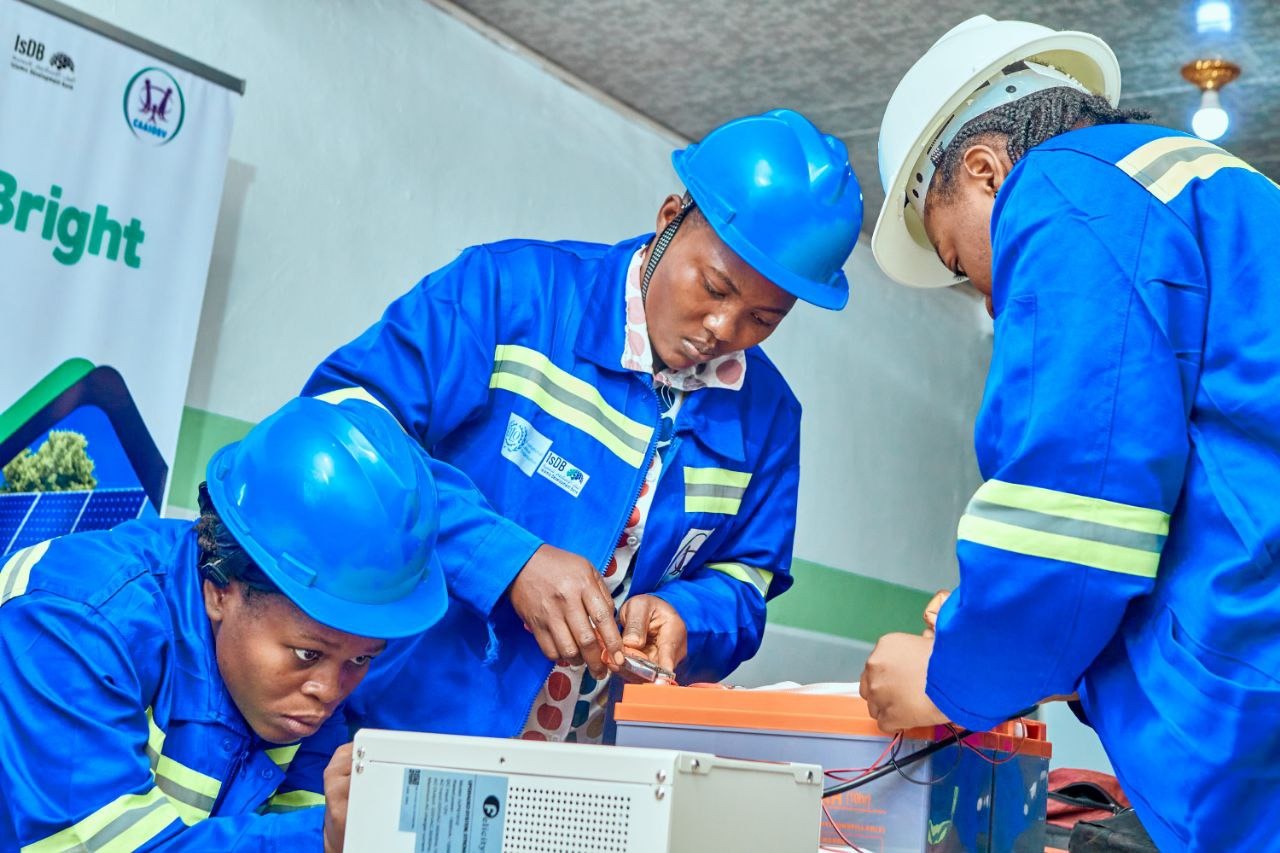
The Empowering Displaced Youth in Cameroon project focuses on crisis-affected youths from Bamenda I, Bamenda II, and Tubah municipalities in Cameroon’s North West region. Led by Community Action for Advancing Sustainable Development (CAASDEV), this project focuses on an area where over 1.6 million people have been displaced, and many health centers rely on kerosene lamps and diesel generators, posing safety risks and emitting harmful emissions. Vaccine and medicine shelf life is also severely limited due to unreliable refrigeration.
To solve this health challenge, CAASDEV is on a mission to train 30 local youth, aged 18-35, in solar energy skills to create green jobs. This will enable them to electrify three off-grid maternity centers, and install IoT-enabled solar cold storage units, extending vaccine shelf life from 1 to 365 days, ensuring care for over 8,000 women and children annually.
The need for this project arose from tragic firsthand experience and extensive community consultations. In early 2025, Elsie, a 19-year-old internally displaced single mother, lost her premature twins in a fire caused by an overheated kerosene lamp at an off-grid maternity center in Nkwen. This incident highlighted the dangers faced by women and children in energy-poor health facilities.
Following this, CAASDEV held focus groups with over 80 community members, including displaced youths, women’s groups, health workers, and local leaders. The community strongly requested clean energy solutions and youth empowerment through solar skills.
By addressing energy poverty, creating green jobs, improving healthcare, and reducing emissions, this project fosters social cohesion, economic resilience, and sustainable recovery in this conflict-affected region.

FLOW (Food Liberation for Opportunities and Wellness) nurtures people through urban food hubs and the building of a network of food sovereignty. In this initiative, FLOW will be offering an Urban Food Hub for the metro Twin Cities area of Minneapolis & St Paul in Minnesota and distributing local, organic produce at no-cost to historically marginalized communities at a half dozen community events taking place from June-November 2025. The project will minimize the barriers to accessing healthy foods by creating a more organic FLOW within the local food system. So often, produce that is given away (for example, at food pantries) is from an unknown source, and the distribution of the food does not build relationship or community between the rural communities it comes from and the often urban communities where it is received. This project goes beyond healthy food distribution - its goal is to build networks of food sovereignty and deepen connections between rural and urban communities, specifically centering Black, Brown, Indigenous, Multi-Abled, and LGBTQ+ people. This project also seeks to weave the sharing of healthy produce with elements of art and culture.
Ntchesa Primary School is located in Kadyalunda village of the Balaka District, located in the Southern part of Malawi. Kadyalunda is a large village of nearly 9,000 people, but due to the lack of funds, Ntchesa Primary school is only able to build and provide four classrooms for around 250 students. Without facilities for additional classrooms, older children must attend the Chendausiku Primary School, a 10 kilometer walk from Kadyalunda village. While the distance is a challenge in itself, the village of Kadyalunda is also located in one of the hottest districts in Malawi. The children, many without shoes, are required to walk in extreme temperatures on scorching ground to get to school. Challenges continue in the rainy season, with torrential rains and muddy roads, all affecting class performance and comfort.
Chendausiku Primary School has recorded 300 students from Kadyalunda village dropping out of school from 2023- 2024. The lack of direct and easy access to schools leads to early school dropout and an increase in unemployment rates and poverty in Malawi. The Ntchesa Classroom Block Project will support the construction of an additional classroom block near the Ntchesa Primary school which will greatly reduce the walking distance required to access educational services. The project mission is to reduce school dropout rates from 20% to 0% in the Kadyalunda village.

Native Chicagoan and 16-year Major League Baseball veteran and All Star, Curtis Granderson, founded the Chicago Baseball and Educational Academy (CBEA) in 2016. When the CBEA was born, it provided community-based baseball and softball programs to enhance and enrich the lives of youth throughout the neighborhoods of Chicago. Since its inception, the CBEA has collaborated with more than 60 Chicago neighborhood youth baseball and softball organizations, giving over 6,000 Chicago kids a chance to play, learn, and grow at facilities on the campus of the University of Illinois at Chicago (UIC) each year. The CBEA collaborates with neighborhood baseball and softball programs, offering local neighborhood teams the rare opportunity to practice in state-of-the-art university varsity fields and indoor practice facilities for free.
Through the “Girl Power” initiative, the CBEA has begun offering girls' fastpitch softball programming and skills clinics for girls aged 8 to 18, focusing on NCAA-level instruction and including social-emotional learning components. This initiative aims to provide free access to high-quality facilities and mentorship, fostering a sense of belonging and inspiring youth to envision the possibility of higher education opportunities. CBEA has collaborated with over 60 local organizations, benefiting thousands of children annually and helping them stay engaged and off the streets while promoting diversity and inclusion in sports.

The Girls Shelter in Guniea is a project vision of Pathways To Peace (PTP) and their partners, War Against Poverty in Guinea, to end the practice of Female Genital Mutilation (FGM) in Kindia, Guinea within one generation. One of the steps in their ongoing effort is to continue to provide Shelter for Girls who are homeless as a result of bravely saying “no” to FGM. In this 2,000-year-old culture, 97% of girls in Guinea have become victims of this tortuous, traumatic and dangerous practice. The practice of FGM is deeply engrained in the culture with Guinea having the second highest rate of FGM in the world. This project envisions a change in Kindia that can, and will, positively impact girls and women now and into the future.

This Sustainable Farming and BioGas Production Project aims to boost agricultural productivity and sustainability by implementing modern storage facilities for biogas and biofertilizer production. This initiative addresses local challenges like post-harvest losses and limited sustainable practices, fostering economic growth and environmental conservation. Community involvement in planning and maintaining the project will ensure its effectiveness and sustainability.

There are few schools for students with Autism Spectrum Disorder (ASD) available in Cape Town, South Africa. As a result, children are having to travel long distances and often, families lack access to transportation. These challenges prevent many families from being able to accommodate their children’s specific educational needs.
Autism affects four major areas of development: language and communication, social interaction, thinking and behavior, and sensory processing. This project will provide transport to children with ASD, providing comfortable transport underpinned by stress-calming measures to ensure a productive learning experience at school and overall safety when commuting.


The Indigenous Peoples of Brazil Water Project’s mission is to build drinking water wells for two Indigenous communities in Acre in Brazil: one in the Apurina community in Baixo Pauni and another for those living near Boca do Acre.
Meeting with the Apurina women near Boca do Acre in 2023, Co-Founder of the Planetary Healing Centre, Claudia Goncalves learned that they are without immediate access to drinking water and have to walk long distances carrying water for their families and home. Elders, mothers, and children have an endless task of carrying buckets of water every day while the men are working collecting Brazil Nuts. The Apurina community in Baixo Pauni is facing similar hardships. This community, comprised of 130 to 140 families, including children and elders, relies on an igarapé (a small stream) for drinking water, which is contaminated and causing illness. This project is in motion to provide wells to these two villages that are in desperate need of a sustainable source of clean water.


La Guajira, Colombia
The Wayuu, Colombia’s largest ethnic group, are often referred to as Colombia’s “forgotten people.” Their ancestral territory in La Guajira, the second poorest region in Colombia, is considered a “climate sacrifice zone” where rising temperatures, rapid desertification, and prolonged drought threaten food security and Indigenous life ways. They face many challenges, including state abandonment, political corruption, water scarcity, and lack of basic services. Most Wayuu families do not have electricity or running water despite that the region is rich in numerous natural resources (coal, gas, oil, precious metals) that are extracted and exported out of La Guajira, leaving no benefit to the local communities. In addition, there are very few income earning opportunities for Wayuu folks, especially for women.
The Yala’yalaa School for Women’s Empowerment, an initiative of the One Thread Collective, is addressing these challenges through a 10-month Sustainable Community-Led Entrepreneurship course. This program brings Wayuu women from multiple villages together to address urgent challenges in their rural communities, such as food and water scarcity.
Yala'yalaa means empowered or brave in Wayuunaiki. The goal of this school is to help these marginalized women achieve economic independence while building more sustainable, resilient communities in La Guajira, a region that has been exploited for centuries for its natural wealth.
Ajegunle in Lagos, Nigeria
Boby’s Charity Foundation’s “Go Back to School” project mobilizes and empowers underserved communities to collectively address their most pressing challenges (education and hunger) while building a stronger, more resilient support network. Their aim is to engage parents, teachers, and volunteers to support after-school classes, mentor children, and ensure long-term school attendance.
The project also organizes local food distributions and nutritious meals for families. These areas are characterized by high rates of poverty, overcrowded housing, food insecurity, and low access to quality education. Many families live on less than $3 a day, and thousands of children are out of school due to financial hardship.
The aim of this project is to:
Activate two community hubs in Ajegunle.
Enroll 200 children in after-school learning programs.
Provide 15,000 nutritious meals over 12 months.
Train 50 caregivers and 50 volunteers in literacy support, hygiene, and food handling.
Engage 300+ residents in clean-up and school improvement efforts.
Queensland, Australia
This echidna conservation project is establishing the first structured regional baseline of short-beaked echidna presence, habitat use, diet, and genetic diversity across South East Queensland in Australia. Echidnas are unique egg-laying mammals (monotremes) found in Australia and New Guinea. They are often assumed to be common, but they’re actually cryptic, data-deficient, and in the past, have been incredibly hard to study. Consequently, there isn’t any formal baseline on their abundance, distribution, or how they’re responding to major threats like climate change or invasive fire ants.
By building this baseline now, the project can detect population shifts early and guide future conservation decisions. Community members are trained to identify echidna signs, collect scats for genetic and diet analysis, and participate in long-term monitoring. The project combines community training, camera trap deployment, and ecological modelling to one of Australia’s most iconic but misunderstood species.
Over time, the project aims to grow a regional citizen science network that not only helps us better understand echidnas, but also deepens people’s connection to nature. By making science more accessible and participation more meaningful, they’re building something lasting, for wildlife, ecosystems, and the communities who care for them.
Murewa, Zimbabwe
In Murewa, Zimbabwe orphans affected by HIV/AIDS lack access to equitable education, experience interrupted school attendance and social stigmas that often perpetuates a cycle of poverty. This Overcoming Barriers Project focuses on supporting children between the ages of eight and 12-year-olds, who have lost one or both parents to HIV/AIDS related illnesses and are either HIV positive or negative, to become equal contributors in society and to navigate real-world complexities with confidence.
Through the use of interactive, themed youth camps, the Overcoming Barriers Project fosters free expression, curiosity, independent learning, exploration, and experimentation of learned skills. These hands-on opportunities create a mindset shift and help develop essential life skills critical for vulnerable children transitioning into adulthood. The project ensures that the gains are not only realized at an individual level, but in creating a community that is inclusive and safe for all.
The themed camps also draw attention to cultural or societal behaviors in topics of biodiversity loss from superstitious beliefs that have decimated certain species of plants and animals through human activities such as overgrazing and stream-bank cultivation. The children’s contributions are key to the community’s long-term survival as they are becoming active stewards of their environment.
This project has a holistic five-pillar approach where integration is one of the core components. They believe these children should be well-integrated into the community to ensure that their voices are heard and their contribution acknowledged and needed. Through school integration programs, their peers (children ages 6-14) are also positively impacted. Overall, the project equips the children with the necessary skills to not only perform better in formal education set-ups, but contribute to the development of their hard-to-reach community.

KwaZulu-Natal, South Africa
The “Nature Now! Sustainable Schools Programme” is helping three schools in KwaZulu-Natal, with a learner base from underprivileged and often challenging backgrounds, bring biodiversity back to campus grounds. This project is creating Indigenous, water-wise “Nature Restoration Gardens” that restore ecosystems and become living classrooms. This project is tackling local climate challenges by showing learners how vital healthy ecosystems are for life and climate action. By prioritizing Indigenous species, the initiative supports ecological integrity and long- term sustainability.
Over the course of a year, they’ll work closely with primary school learners, guiding them through four engaging lessons that connect directly to their gardens and spark a love for nature. These gardens will support the schools’ curriculum, inspire lasting appreciation for the environment, and help them reach their Sustainable Schools Status (an accreditation for recognizing schools that embed environmental sustainability into their operations, curriculum, and community engagement) by 2026.
Simultaneously, the project activates community engagement through experiential learning. This hands-on approach not only meets curriculum outcomes but also cultivates stewardship and a sense of agency among young learners.The Sustainable Schools Programme’s broader objective, to empower schools to address climate-related challenges through biodiversity restoration—ensures that the project is embedded within a systemic, place-based framework. As learners engage in meaningful action, they become catalysts for wider community awareness and participation. In essence, the project intertwines ecological regeneration with educational empowerment.

Tututawa, New Zealand
Hark is a conservation technology developed by the 800 Trust that uses AI-powered acoustic sensors to "listen" to the forest, detecting native bird calls, pest species, and environmental change. It enables large-scale biodiversity monitoring across remote areas, helping protect threatened ecosystems before it’s too late.
This project’s initial focus is on the Waitōtara and Matemateāonga Ranges in Aotearoa New Zealand, regions where species like kōkako may still survive. By continuously recording forest soundscapes, Hark is able to identify rare birds, understand species movements, and track forest health. This protects what remains, guides restoration, and builds scientific evidence for climate resilience.
Hark also collects microclimate data, enabling the study of how changing weather patterns affect biodiversity over time. This adds a valuable layer of insight into climate adaptation and environmental planning.
While Environmental Protection is their core focus, Hark also supports Community Activation and Cultural Collaboration, working closely with locals, especially Ngāti Maru, blending Indigenous knowledge with leading-edge technology. Young people help deploy sensors, interpret findings, and tell the story of our forests.
Hark offers a powerful model for listening, to the land, to each other, and to the changes around us. It turns remote wilderness into a living dataset, helping protect the planet through knowledge, action, and care. Their goals are threefold:
Located in the heart of the East Taranaki hill country, this work supports a vision for a pest-free corridor linking Whanganui National Park to the Matemateāonga Ranges. It also contributes to international biodiversity credit conversations by quantifying environmental restoration through sound. By listening deeply, Hark allows forgotten ecosystems to speak and helps communities act on what they hear.

Morogoro, Tanzania
The Conservation of Endangered Kipunji Primates is an initiative of the organization Ecowice, focused on protecting three threatened primate species in Tanzania's Livingstone Mountains. These primates include: the critically endangered Rungwecebus kipunji, discovered in 2003 and the newest African primate genus to be found in 83 years; the vulnerable Angolan black-and-white colobus; and Sykes' monkey, facing habitat loss and human-wildlife conflict.
This project aims to stabilize primate populations through reduced human-primate conflict and enhanced habitat connectivity. At the ecosystem level, they are working to restore 200 hectares of degraded montane forest—a critical biodiversity hotspot supporting endemic flora and fauna, while serving as a vital watershed for Lake Nyasa's 600 endemic fish species.
Finally, the project addresses the root cause: unsustainable human-land interactions. By transitioning 300 farming households from soil-depleting monoculture to nitrogen-fixing agroforestry, they simultaneously reduce pressure on natural forests while restoring soil health and carbon sequestration capacity, creating natural buffer zones protecting core primate habitat.
The Livingstone Mountains represent a critical biodiversity hotspot where 78% of communities report crop losses leading to retaliatory primate killings. To eliminate crop-raiding conflicts, this project will train 300 farmers to transition from primate-preferred maize to primate-resistant crops (alfalfa, moringa, pigeon pea). It will also establish 30 sustainable poultry enterprises using nitrogen-fixing crops as feed, creating alternative livelihoods while reducing forest dependency.
Chimwaza Village, Lilongwe, Malawi
The Kwathu Kuwale Project, meaning “Let My Village Have Light,” is a community-based, clean energy and women’s empowerment initiative led by Village Solar in Malawi. Their goal is to support women in the rural village of Chimwaza to become solar technicians and clean energy entrepreneurs. This initiative will establish a Solar Energy Training Hub in Lilongwe District inviting 15 women to receive training in business skills, cooperative management and solar assembly.
Chimwaza has over 2,000 residents living without electricity. Families rely on candles, kerosene lamps, or cheap, low-quality battery torches. These options are unsafe, costly over time, and provide poor light quality. Indoor air pollution increases the risk of respiratory illness, especially for children. School performance is also affected, as students struggle to study after dark. Women and girls spend long hours collecting firewood or walking for basic services, losing time that could be used for learning or earning. While high-quality solar lamps exist, they are often imported, expensive, and hard to repair locally, limiting their usefulness.
To address these challenges, the Village Solar cooperative developed the Kuwala Eco Lamp, a solar lamp made from fast-growing bamboo and locally available components. It is easy to repair and includes a USB port to charge feature mobile phones. Through the Kwathu Kuwale Eco-Lamp Workshop Project initiative, they have identified and recruited 15 women from Chimwaza, aged 20 years and above, to learn how to build, repair, and sell these lamps.
The women are also learning business skills like pricing, inventory management, sales recording, bookkeeping, and budgeting. To make the project sustainable, they are also setting up a cooperative model where the women being trained will collectively own and manage the solar production workshop.This cooperative will oversee local production, repair, and sales. Members share decision-making and responsibilities, building income, ownership, and long-term growth.
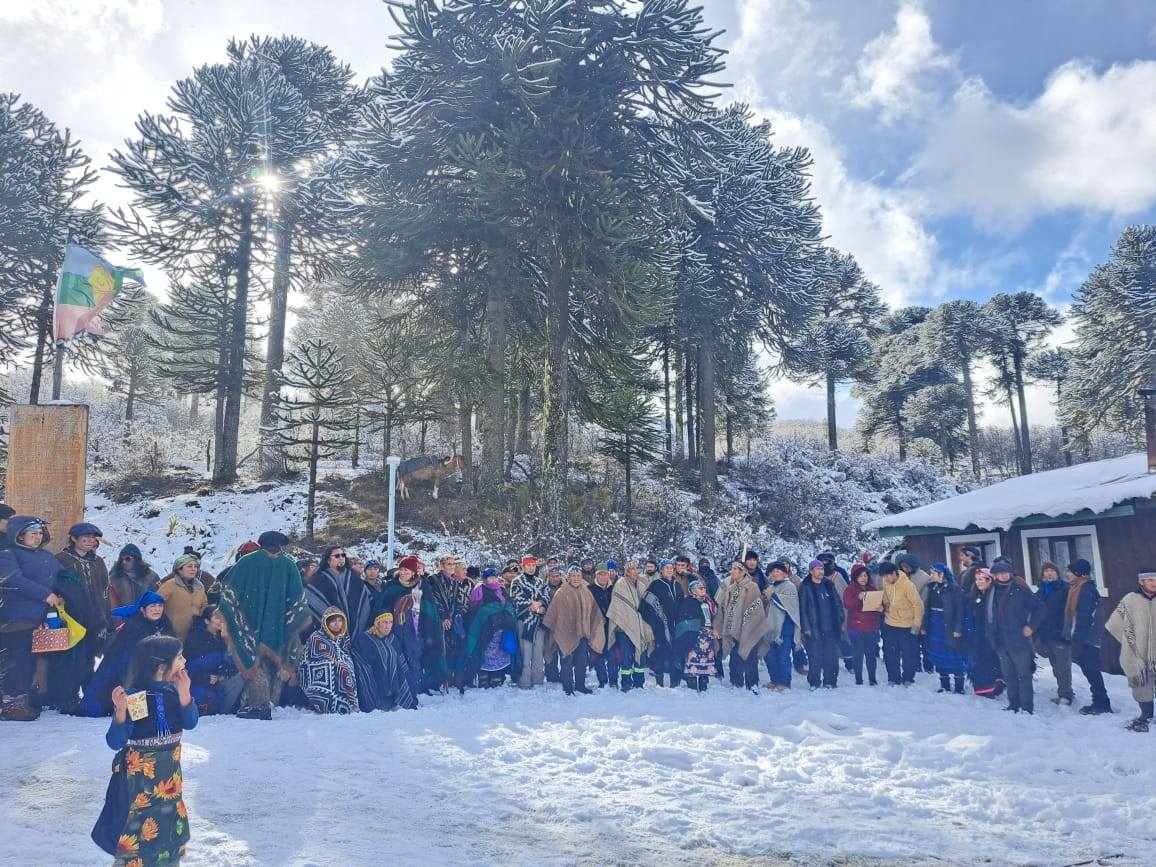
Territorio Pewenche de Quinquen, Chile
The Araucarias de Quinquén project is a forest restoration initiative in the 7,000-hectare Pewenche Indigenous Territory of Quinquen, southern Chile. This landscape hosts the largest known concentration of Araucaria araucana (Monkey Puzzle trees), some over 1,500 years old. These ancient trees are sacred to the Pewenche people of Chile’s first autonomous Indigenous territory. Today, around 120 people live in Quinquén, with the wider Pewenche population—a branch of the Mapuche people—spanning the Chile–Argentina border.
The Pewenche, or "People of the Pewen" (Araucaria tree), move seasonally, relying entirely on the piñon—the nutrient-rich seed of the Monkey Puzzle tree—for food, medicine, ritual, and identity. It forms the basis of traditional dishes, ceremonial exchanges, and rituals such as the guillatún, and the work of the machi (healer-shamans). However, piñon crops are failing and this ecosystem faces a crisis. A fungal disease (Phytophthora spp.) is causing widespread dieback. Over 80% of wild Araucarias in Chile show signs of infection, placing the species at risk of functional extinction if no action is taken.
Araucarias—many infected with dieback disease—take two years to mature seeds, and while this year's crop is low, next year’s appears catastrophic. Trees are visibly weakening, and the community faces growing anxiety around food security and cultural continuity. This project directly addresses the crisis through community-led restoration and will help spread Pewenche ecological knowledge more broadly.
This forest is also a biodiversity sanctuary, sheltering endangered species such as the pudú (world’s smallest deer), puma, and monito del monte, a marsupial considered a living fossil. Guardians Worldwide (GWW) and the Quinquén community began this collaborative project in 2018, blending Indigenous leadership and ecological science to protect one of the world’s most threatened ecosystems. The Araucarias de Quinquén project is a model for climate resilience rooted in ancestral stewardship.
Bamenda, Cameroon
The Empowering Displaced Youth in Cameroon project focuses on crisis-affected youths from Bamenda I, Bamenda II, and Tubah municipalities in Cameroon’s North West region. Led by Community Action for Advancing Sustainable Development (CAASDEV), this project focuses on an area where over 1.6 million people have been displaced, and many health centers rely on kerosene lamps and diesel generators, posing safety risks and emitting harmful emissions. Vaccine and medicine shelf life is also severely limited due to unreliable refrigeration.
To solve this health challenge, CAASDEV is on a mission to train 30 local youth, aged 18-35, in solar energy skills to create green jobs. This will enable them to electrify three off-grid maternity centers, and install IoT-enabled solar cold storage units, extending vaccine shelf life from 1 to 365 days, ensuring care for over 8,000 women and children annually.
The need for this project arose from tragic firsthand experience and extensive community consultations. In early 2025, Elsie, a 19-year-old internally displaced single mother, lost her premature twins in a fire caused by an overheated kerosene lamp at an off-grid maternity center in Nkwen. This incident highlighted the dangers faced by women and children in energy-poor health facilities.
Following this, CAASDEV held focus groups with over 80 community members, including displaced youths, women’s groups, health workers, and local leaders. The community strongly requested clean energy solutions and youth empowerment through solar skills.
By addressing energy poverty, creating green jobs, improving healthcare, and reducing emissions, this project fosters social cohesion, economic resilience, and sustainable recovery in this conflict-affected region.

Moshi, Kilimanjaro in Tanzania
The Amani-Kiladeda Farm project primarily serves a community of former street-connected children and vulnerable youth from abusive backgrounds residing at the Amani Centre for Street Children in Moshi-Kilimanjaro, Tanzania. These children are often marginalized, deprived of stable family environments, and denied access to basic health benefits, education and life skills. Through the farm project, they aim to improve the children's health and well-being by providing fresh produce, while equipping them with sustainable agricultural practices to promote self-sufficiency and future employability. In addition to directly benefiting the children by providing shelter, food and job training, this project is also designed with a strong focus on promoting environmental sustainability. The agro-ecological farming system implemented through the project encourages environmentally-friendly and resource-efficient practices. Its approach not only minimizes waste but also supports the farm’s long-term sustainability, ensuring the land remains productive and healthy for future generations.
Minneapolis & Saint Paul, Minnesota, USA
FLOW (Food Liberation for Opportunities and Wellness) nurtures people through urban food hubs and the building of a network of food sovereignty. In this initiative, FLOW will be offering an Urban Food Hub for the metro Twin Cities area of Minneapolis & St Paul in Minnesota and distributing local, organic produce at no-cost to historically marginalized communities at a half dozen community events taking place from June-November 2025. The project will minimize the barriers to accessing healthy foods by creating a more organic FLOW within the local food system. So often, produce that is given away (for example, at food pantries) is from an unknown source, and the distribution of the food does not build relationship or community between the rural communities it comes from and the often urban communities where it is received. This project goes beyond healthy food distribution - its goal is to build networks of food sovereignty and deepen connections between rural and urban communities, specifically centering Black, Brown, Indigenous, Multi-Abled, and LGBTQ+ people. This project also seeks to weave the sharing of healthy produce with elements of art and culture.
Kadyalunda Village, Malawi
Ntchesa Primary School is located in Kadyalunda village of the Balaka District, located in the Southern part of Malawi. Kadyalunda is a large village of nearly 9,000 people, but due to the lack of funds, Ntchesa Primary school is only able to build and provide four classrooms for around 250 students. Without facilities for additional classrooms, older children must attend the Chendausiku Primary School, a 10 kilometer walk from Kadyalunda village. While the distance is a challenge in itself, the village of Kadyalunda is also located in one of the hottest districts in Malawi. The children, many without shoes, are required to walk in extreme temperatures on scorching ground to get to school. Challenges continue in the rainy season, with torrential rains and muddy roads, all affecting class performance and comfort.
Chendausiku Primary School has recorded 300 students from Kadyalunda village dropping out of school from 2023- 2024. The lack of direct and easy access to schools leads to early school dropout and an increase in unemployment rates and poverty in Malawi. The Ntchesa Classroom Block Project will support the construction of an additional classroom block near the Ntchesa Primary school which will greatly reduce the walking distance required to access educational services. The project mission is to reduce school dropout rates from 20% to 0% in the Kadyalunda village.
Chicago, Illinois, USA
Native Chicagoan and 16-year Major League Baseball veteran and All Star, Curtis Granderson, founded the Chicago Baseball and Educational Academy (CBEA) in 2016. When the CBEA was born, it provided community-based baseball and softball programs to enhance and enrich the lives of youth throughout the neighborhoods of Chicago. Since its inception, the CBEA has collaborated with more than 60 Chicago neighborhood youth baseball and softball organizations, giving over 6,000 Chicago kids a chance to play, learn, and grow at facilities on the campus of the University of Illinois at Chicago (UIC) each year. The CBEA collaborates with neighborhood baseball and softball programs, offering local neighborhood teams the rare opportunity to practice in state-of-the-art university varsity fields and indoor practice facilities for free.
Through the “Girl Power” initiative, the CBEA has begun offering girls' fastpitch softball programming and skills clinics for girls aged 8 to 18, focusing on NCAA-level instruction and including social-emotional learning components. This initiative aims to provide free access to high-quality facilities and mentorship, fostering a sense of belonging and inspiring youth to envision the possibility of higher education opportunities. CBEA has collaborated with over 60 local organizations, benefiting thousands of children annually and helping them stay engaged and off the streets while promoting diversity and inclusion in sports.

Chihota, Zimbabwe
Zambezi Ark Technologies (Zartech), a youth-led social enterprise, is launching the Chigubhu Lantern Initiative to address the critical need for sustainable energy and lighting solutions in Zimbabwe. This initiative is working to provide reliable and sustainable lighting for schools and enhance the quality of education through improved lighting conditions. This project provides sufficient illumination for children in rural areas of Zimbabwe to do their school work after sunset. While striving to expand access to clean and affordable energy, this project is also equipping young people with practical skills to combat climate change.
The Chigubhu Lantern, a solar-powered light made from waste LED components and plastic bottles, offers a durable and eco-friendly lighting solution. By teaching students how to build these lanterns, the initiative imparts valuable skills in waste management, circular economy principles, and renewable energy. A central component of the project is the Chiedza Solar Kit, a custom-made solar power solution capable of charging multiple Chigubhu Lanterns simultaneously, as well as powering other devices like cell phones and laptops. Ultimately, the Chigubhu Lantern Initiative aims to ensure “A Light For Every Student ”and “A Light For Everyone” while promoting environmental sustainability. By fostering a culture of resourcefulness and innovation, the project seeks to create a brighter future for Zimbabwean rural communities.

Pobè, Benin
The Bio Planet Fertilizer Project is an initiative of BIO PLANET TMC Ltd, an environmental sustainability social venture located in Pobè, Benin dedicated to promoting efficient and inclusive agricultural practices. They offer over 18,000 local farmers a quality granulated organic fertilizer, more accessible and inexpensive than traditionally used chemical fertilizers that have had harmful effects on the rural populations. This project supports farmland soil restoration, biodiversity and conservation, while increasing crop yields for local farmers in Pobè, Benin.
Kindia, Republic of Guinea
The Girls Shelter in Guniea is a project vision of Pathways To Peace (PTP) and their partners, War Against Poverty in Guinea, to end the practice of Female Genital Mutilation (FGM) in Kindia, Guinea within one generation. One of the steps in their ongoing effort is to continue to provide Shelter for Girls who are homeless as a result of bravely saying “no” to FGM. In this 2,000-year-old culture, 97% of girls in Guinea have become victims of this tortuous, traumatic and dangerous practice. The practice of FGM is deeply engrained in the culture with Guinea having the second highest rate of FGM in the world. This project envisions a change in Kindia that can, and will, positively impact girls and women now and into the future.

Kigali, Rwanda
The Resiliency Through the Ages' (RTA) project will unite eight youth with eight elders to co-create eight short films focusing on biodiversity resilience. The inspiration from the lessons these project leaders have learned from previous initiatives underscores the importance of intergenerational dialogue and participatory design in effecting climate action. This project’s mission is to document and share these critical stories, fostering deeper community engagement and influencing policy at local and international levels.

Niamey, Niger
This project aims to revive and sustain the Niger handweaving tradition, a symbol of national pride. For generations, these weavers have made beautiful, complexly woven cloth. Recently, the profession has been in decline and the highly skilled weavers lack access to materials, organization, and the urban market. This project is working to improve its artisans’ incomes while preserving cultural heritage by organizing the weavers into a cooperative.
Sabon Pegi Shabu, Nasarawa State, Nigeria
This Sustainable Farming and BioGas Production Project aims to boost agricultural productivity and sustainability by implementing modern storage facilities for biogas and biofertilizer production. This initiative addresses local challenges like post-harvest losses and limited sustainable practices, fostering economic growth and environmental conservation. Community involvement in planning and maintaining the project will ensure its effectiveness and sustainability.
Cape Town, South Africa
There are few schools for students with Autism Spectrum Disorder (ASD) available in Cape Town, South Africa. As a result, children are having to travel long distances and often, families lack access to transportation. These challenges prevent many families from being able to accommodate their children’s specific educational needs.
Autism affects four major areas of development: language and communication, social interaction, thinking and behavior, and sensory processing. This project will provide transport to children with ASD, providing comfortable transport underpinned by stress-calming measures to ensure a productive learning experience at school and overall safety when commuting.
Brazzaville and Pointe-Noire in the Republic of the Congo


The Earth Guardians Indigenous Youth Initiative is a unique program focusing on uplifting Indigenous ways of life, voice and leadership, with a vision of bringing the planet back into balance and out of climate chaos. Every year this program plans a 7-day, in-person training, followed by ongoing support for the participating youth.
This in-person gathering is led by Indigenous adult mentors and the Earth Guardians Indigenous Youth Initiative Committee and engaging with 25+ Native youth leaders ages 18-25 years of age from diverse tribes. This training equips each participant with the tools and confidence to inspire and lead other tribal youth, and their community members, to effect impactful lasting change in the areas of: traditional ecological knowledge, food sovereignty, environmental/social justice issues, reclamation of story, multimedia techniques, Native nation building, non-violent direct action, campaign development, cultural resilience and de-colonization. Youth participants are empowered in their own climate projects, learning valuable skills and building relationships with mentors and peers during the program.
Project Update:
The project's community was devastated by Hurricane Helene and working tirelessly to help the communities who were hardest hit by historical flooding. If you are able, please consider helping support their efforts there and around Asheville, North Carolina on their GoFund me page.
Two Apurina communities in Boca do Acre and Baixo Pauni, in Brazil
The Indigenous Peoples of Brazil Water Project’s mission is to build drinking water wells for two Indigenous communities in Acre in Brazil: one in the Apurina community in Baixo Pauni and another for those living near Boca do Acre.
Meeting with the Apurina women near Boca do Acre in 2023, Co-Founder of the Planetary Healing Centre, Claudia Goncalves learned that they are without immediate access to drinking water and have to walk long distances carrying water for their families and home. Elders, mothers, and children have an endless task of carrying buckets of water every day while the men are working collecting Brazil Nuts. The Apurina community in Baixo Pauni is facing similar hardships. This community, comprised of 130 to 140 families, including children and elders, relies on an igarapé (a small stream) for drinking water, which is contaminated and causing illness. This project is in motion to provide wells to these two villages that are in desperate need of a sustainable source of clean water.


Saptari District, Nepal


Asikabew, Ghana
Transforming the Environment, Transforming Lives is an environmental sustainability initiative aimed at empowering the women and youth of Asikabew, a community located in the Nsawam Adoagyiri Municipality in the Eastern Region of Ghana, West Africa, through education. The initiative educates villagers on how to transform both natural and artificial waste products into reusable, eco-friendly products. The project initiative also provides a platform to sell their eco-friendly products to generate funds and improve their community living conditions.


