


Saving the Sacred Monkey Puzzle Tree (Araucarias de Quinquén)
Territorio Pewenche de Quinquen, Chile
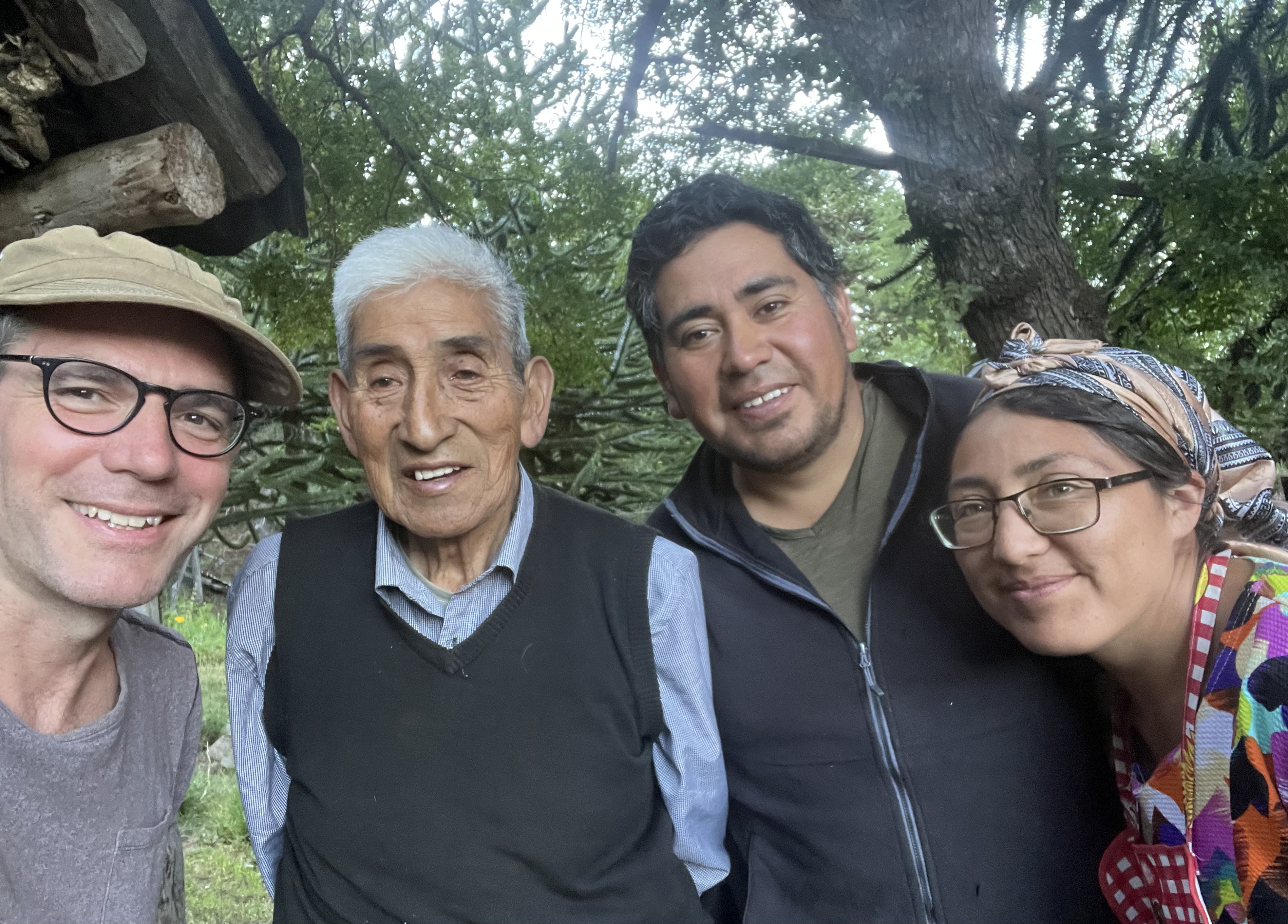
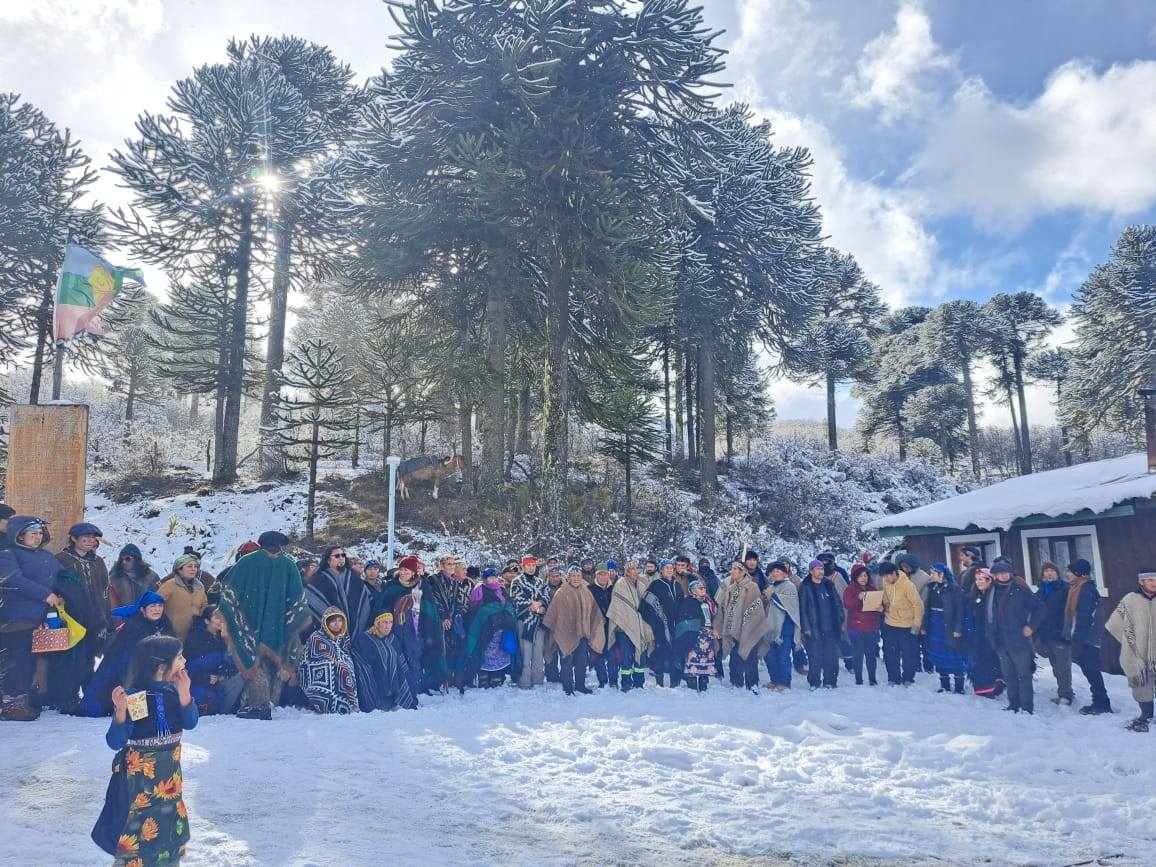
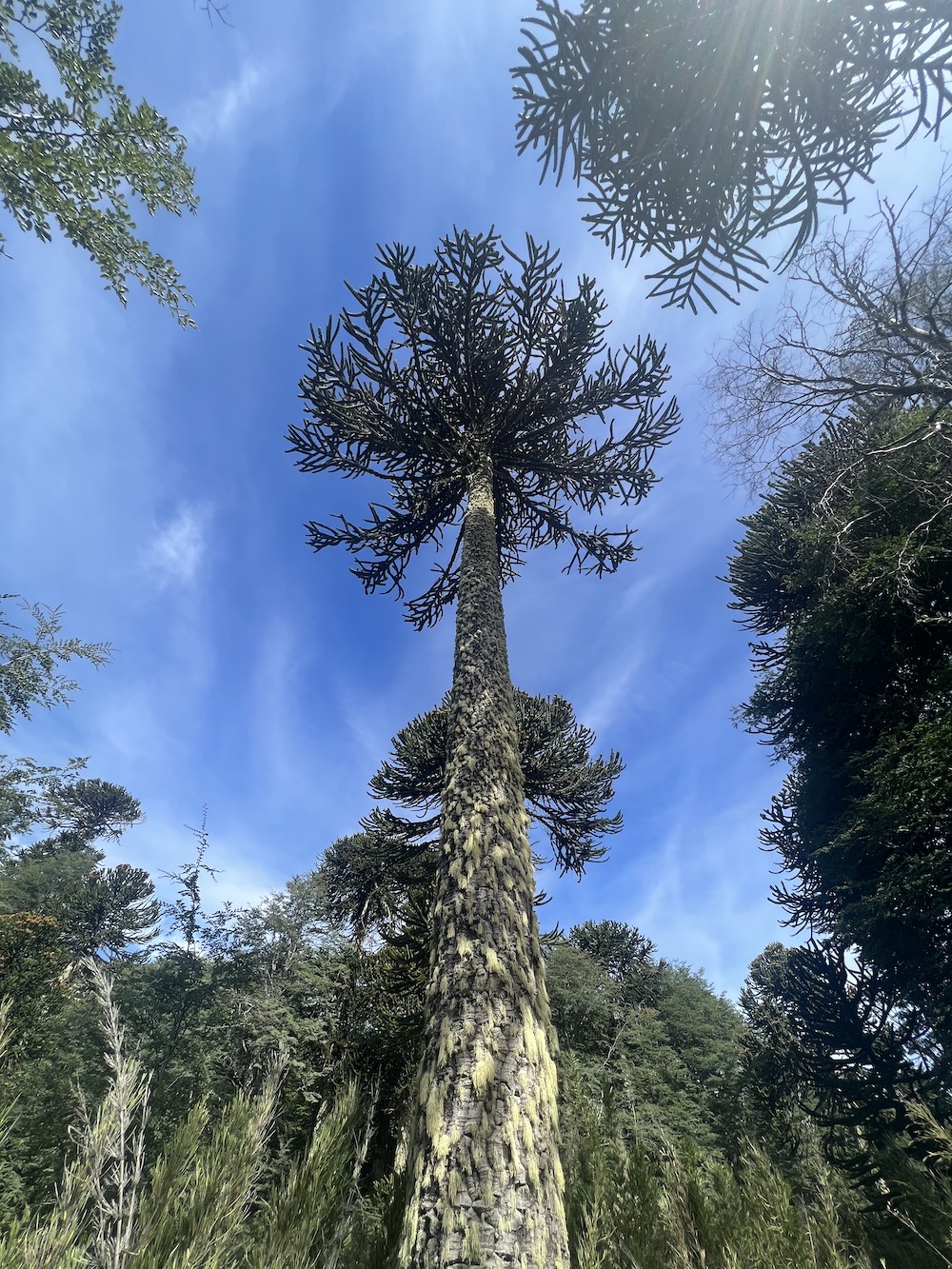

The Araucarias de Quinquén project is a forest restoration initiative in the 7,000-hectare Pewenche Indigenous Territory of Quinquen, southern Chile. This landscape hosts the largest known concentration of Araucaria araucana (Monkey Puzzle trees), some over 1,500 years old. These ancient trees are sacred to the Pewenche people of Chile’s first autonomous Indigenous territory. Today, around 120 people live in Quinquén, with the wider Pewenche population—a branch of the Mapuche people—spanning the Chile–Argentina border.
The Pewenche, or "People of the Pewen" (Araucaria tree), move seasonally, relying entirely on the piñon—the nutrient-rich seed of the Monkey Puzzle tree—for food, medicine, ritual, and identity. It forms the basis of traditional dishes, ceremonial exchanges, and rituals such as the guillatún, and the work of the machi (healer-shamans). However, piñon crops are failing and this ecosystem faces a crisis. A fungal disease (Phytophthora spp.) is causing widespread dieback. Over 80% of wild Araucarias in Chile show signs of infection, placing the species at risk of functional extinction if no action is taken.
Araucarias—many infected with dieback disease—take two years to mature seeds, and while this year's crop is low, next year’s appears catastrophic. Trees are visibly weakening, and the community faces growing anxiety around food security and cultural continuity. This project directly addresses the crisis through community-led restoration and will help spread Pewenche ecological knowledge more broadly.
This forest is also a biodiversity sanctuary, sheltering endangered species such as the pudú (world’s smallest deer), puma, and monito del monte, a marsupial considered a living fossil. Guardians Worldwide (GWW) and the Quinquén community began this collaborative project in 2018, blending Indigenous leadership and ecological science to protect one of the world’s most threatened ecosystems. The Araucarias de Quinquén project is a model for climate resilience rooted in ancestral stewardship.
The Purpose Earth grant supports the creation of a native tree nursery within Pewenche territory. At least 5,000 seedlings of Araucaria araucana and companion species will be grown using local seeds. This nursery is vital for long-term forest regeneration and will help restore areas degraded by disease and grazing.
Funding will also establish a community seed bank to preserve and document culturally important seeds—especially the piñon, the sacred Araucaria seed that sustains Pewenche diet, rituals, and identity. The grant will fund the installation of 10,000 square meters of fencing to protect young trees and natural regeneration areas from livestock grazing—one of the primary threats to seedling survival, and will support the pruning, coppicing, or removal of at least 150 infected trees, slowing the spread of dieback disease.
Another portion will fund composting and biomass processing, enabling the production of nutrient-rich soil using organic waste. Additionally, it will support clearing fire-prone underbrush and creating firebreaks, reducing the risk of wildfires increasingly intensified by climate change.
Beyond fieldwork, Purpose Earth’s support will enable community-led storytelling and documentation—through photography, video, and digital monitoring tools. These materials will be shared on the Open Forests platform and across Guardians Worldwide’s global network, amplifying the visibility of Pewenche ecological knowledge.

“This is a major step toward a long-term plan for the regeneration of Quinquén’s unique biodiversity, and the Indigenous governance that is maintaining this reserve; one of the world’s last bastions of the so-called Jurassic Tree: araucaria araucana, one of the world’s most ancient and iconic trees. This project is more than reforestation—it is a living expression of Indigenous guardianship.” – Dr. Nicolas Salazar Sutil, Project Lead, and Executive Director Guardians Worldwide and Guardians UK
Saving the Sacred Monkey Puzzle Tree (Araucarias de Quinquén)

Overcoming Barriers Project
