


Conservation of Endangered Kipunji Primates
Morogoro, Tanzania

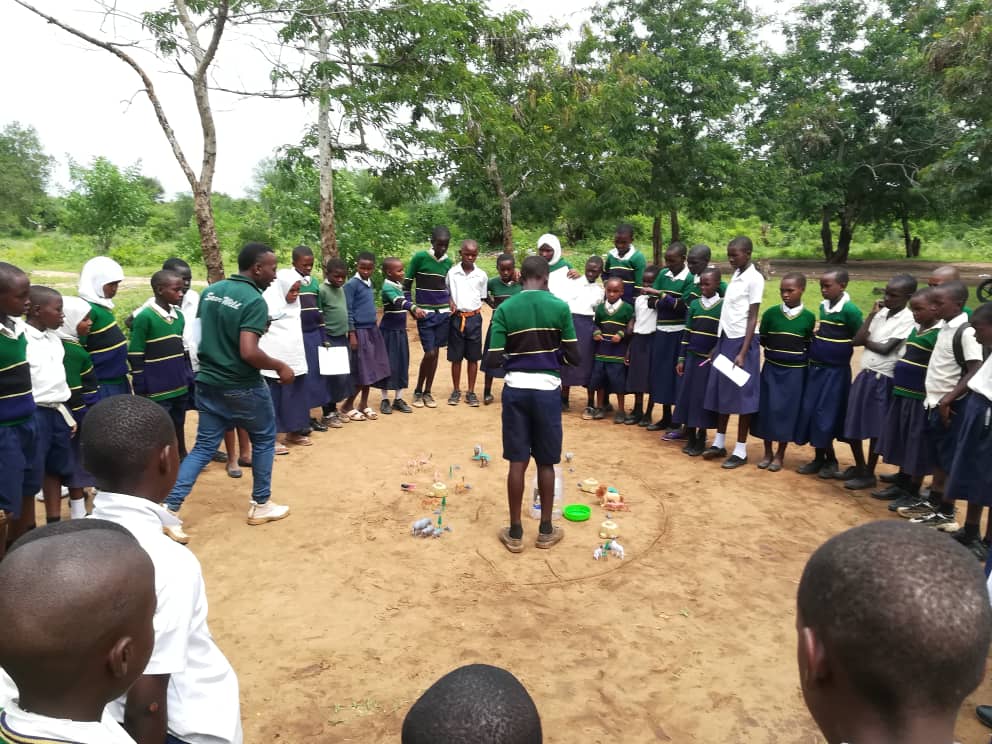
The Conservation of Endangered Kipunji Primates is an initiative of the organization Ecowice, focused on protecting three threatened primate species in Tanzania's Livingstone Mountains. These primates include: the critically endangered Rungwecebus kipunji, discovered in 2003 and the newest African primate genus to be found in 83 years; the vulnerable Angolan black-and-white colobus; and Sykes' monkey, facing habitat loss and human-wildlife conflict.
This project aims to stabilize primate populations through reduced human-primate conflict and enhanced habitat connectivity. At the ecosystem level, they are working to restore 200 hectares of degraded montane forest—a critical biodiversity hotspot supporting endemic flora and fauna, while serving as a vital watershed for Lake Nyasa's 600 endemic fish species.
Finally, the project addresses the root cause: unsustainable human-land interactions. By transitioning 300 farming households from soil-depleting monoculture to nitrogen-fixing agroforestry, they simultaneously reduce pressure on natural forests while restoring soil health and carbon sequestration capacity, creating natural buffer zones protecting core primate habitat.
The Livingstone Mountains represent a critical biodiversity hotspot where 78% of communities report crop losses leading to retaliatory primate killings. To eliminate crop-raiding conflicts, this project will train 300 farmers to transition from primate-preferred maize to primate-resistant crops (alfalfa, moringa, pigeon pea). It will also establish 30 sustainable poultry enterprises using nitrogen-fixing crops as feed, creating alternative livelihoods while reducing forest dependency.
The support of the Purpose Earth grant will enable comprehensive implementation of this integrated primate conservation project across all core components:
- Species monitoring and protection activities: Four local team members will be given stipends and field equipment, such as GPS units and binoculars, for bi-weekly monitoring of over 13 kipunji groups and colobus populations.
- Community training in primate-resistant agriculture: Funds from the grant helpl provide seeds and training materials for primate-resistant crops (alfalfa, moringa, pigeon pea) to address human-wildlife conflict affecting 78% of households. Demonstration plots and workshops will be provided to enable 150 farmers to transition from conflict-generating maize, eliminating the primary threat—retaliatory killing due to crop raiding.
- Habitat restoration through nitrogen-fixing agroforestry: Tree seedlings and materials will be able to restore 100 hectares of degraded habitat, helping to create forest connectivity that is essential for primate movement and genetic diversity.
- Sustainable livelihood development through poultry enterprises: The fund also helps create poultry setup materials to establish 15 enterprises using nitrogen-fixing crops as feed, creating economic conservation incentives ensuring community commitment beyond funding period.
- Implementation Support: Transportation and communication costs covered by the grant enable coordination across eight villages and monitoring site access.

“The kipunji represents a once-in-a-lifetime conservation opportunity—the first new African primate genus discovered in 83 years, with less than 1,500 individuals remaining globally. Our project area contains 8% of the entire species population. Without immediate intervention, this remarkable discovery story could become an extinction tragedy within our lifetime. Purpose Earth funding enables immediate implementation without lengthy setup phases, maximizing conservation impact per dollar invested. Purpose Earth support doesn't just save three threatened species, it validates an approach that could transform conservation practice across developing nations, proving that environmental protection and poverty alleviation can advance together.”
– Philipo Jacob Mtweve, Project Lead

Light on Light

FLOW (Food Liberation for Opportunities and Wellness)
