


Building a Baseline for the Echidna
Queensland, Australia
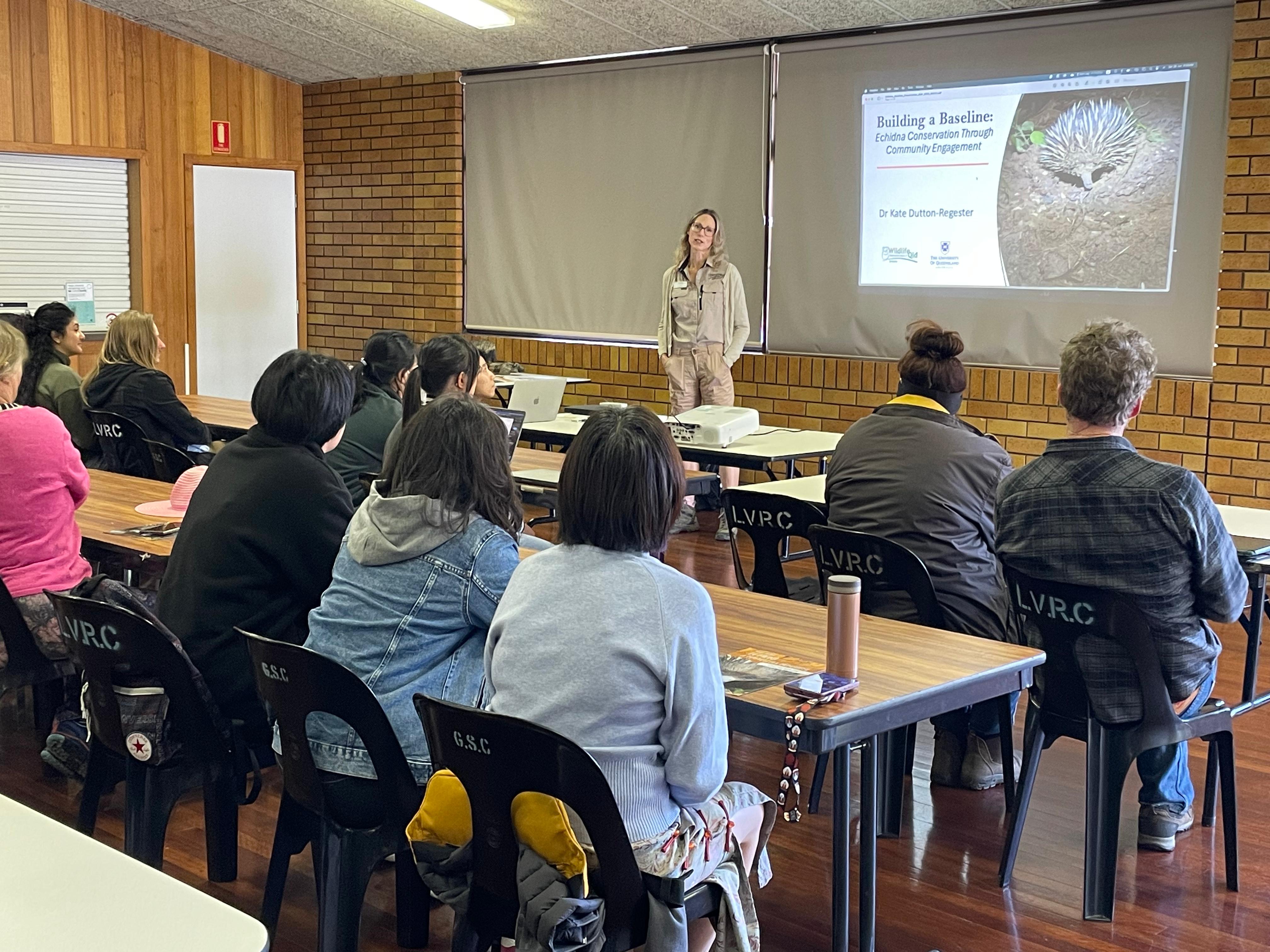
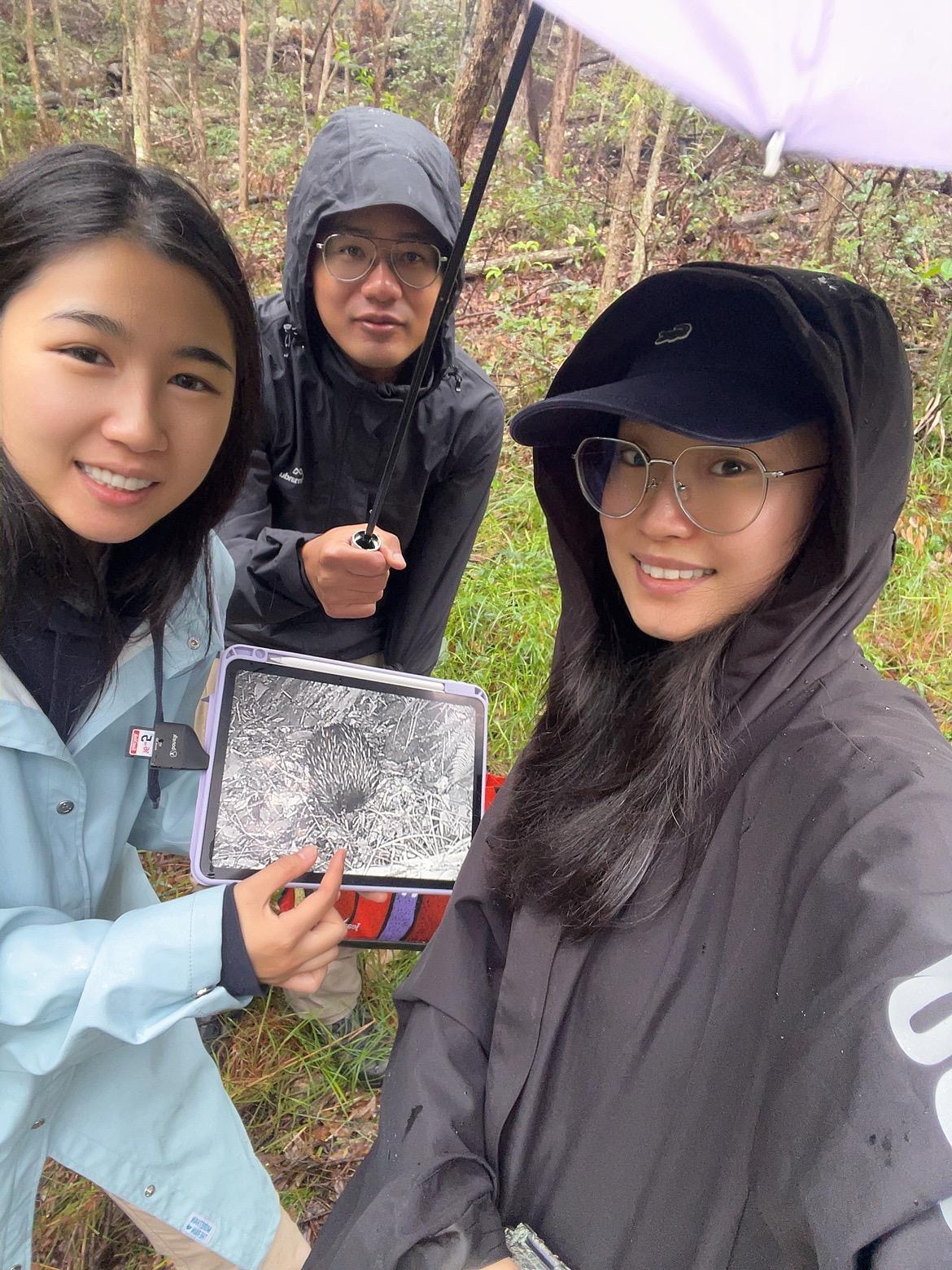

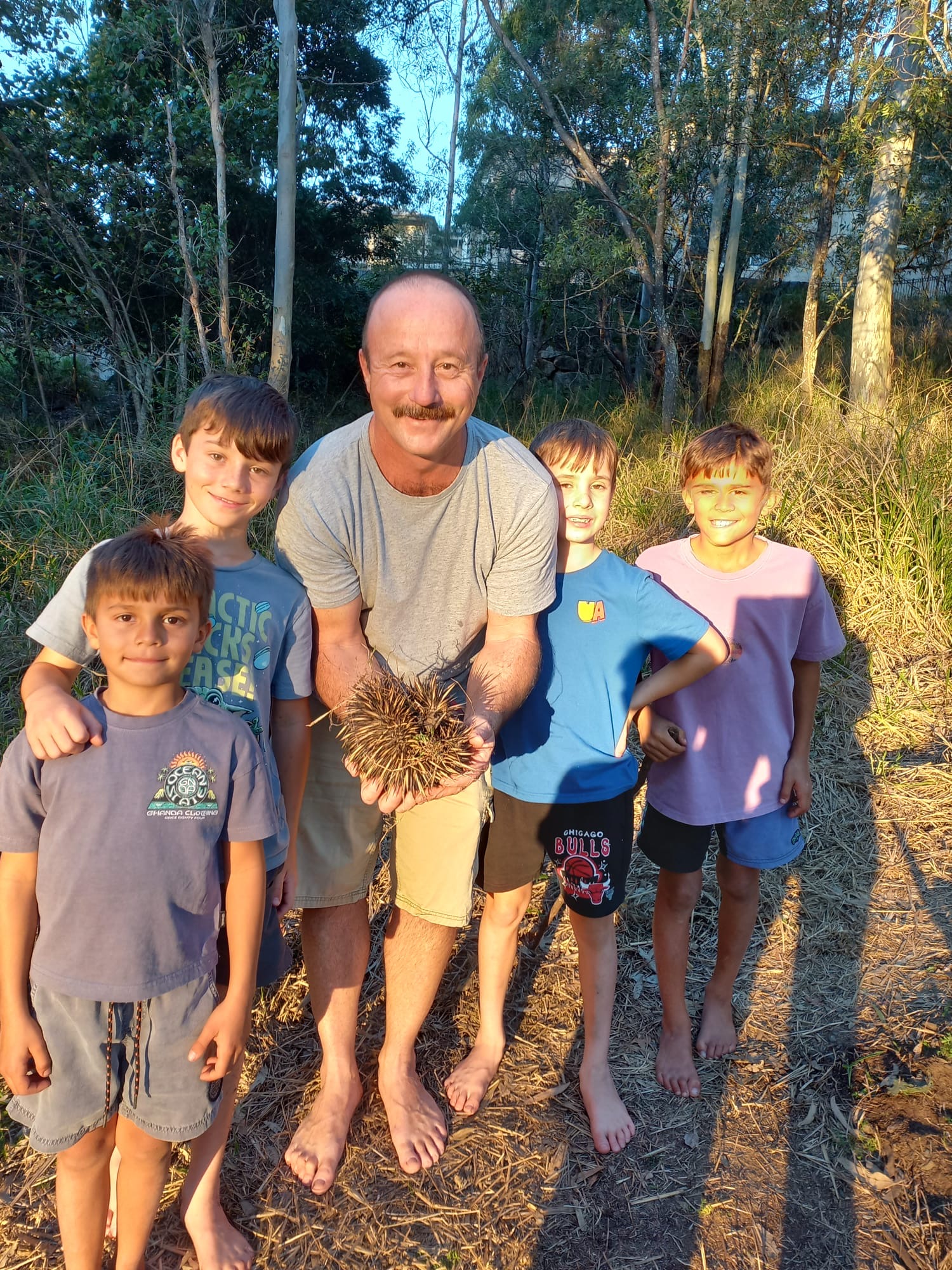
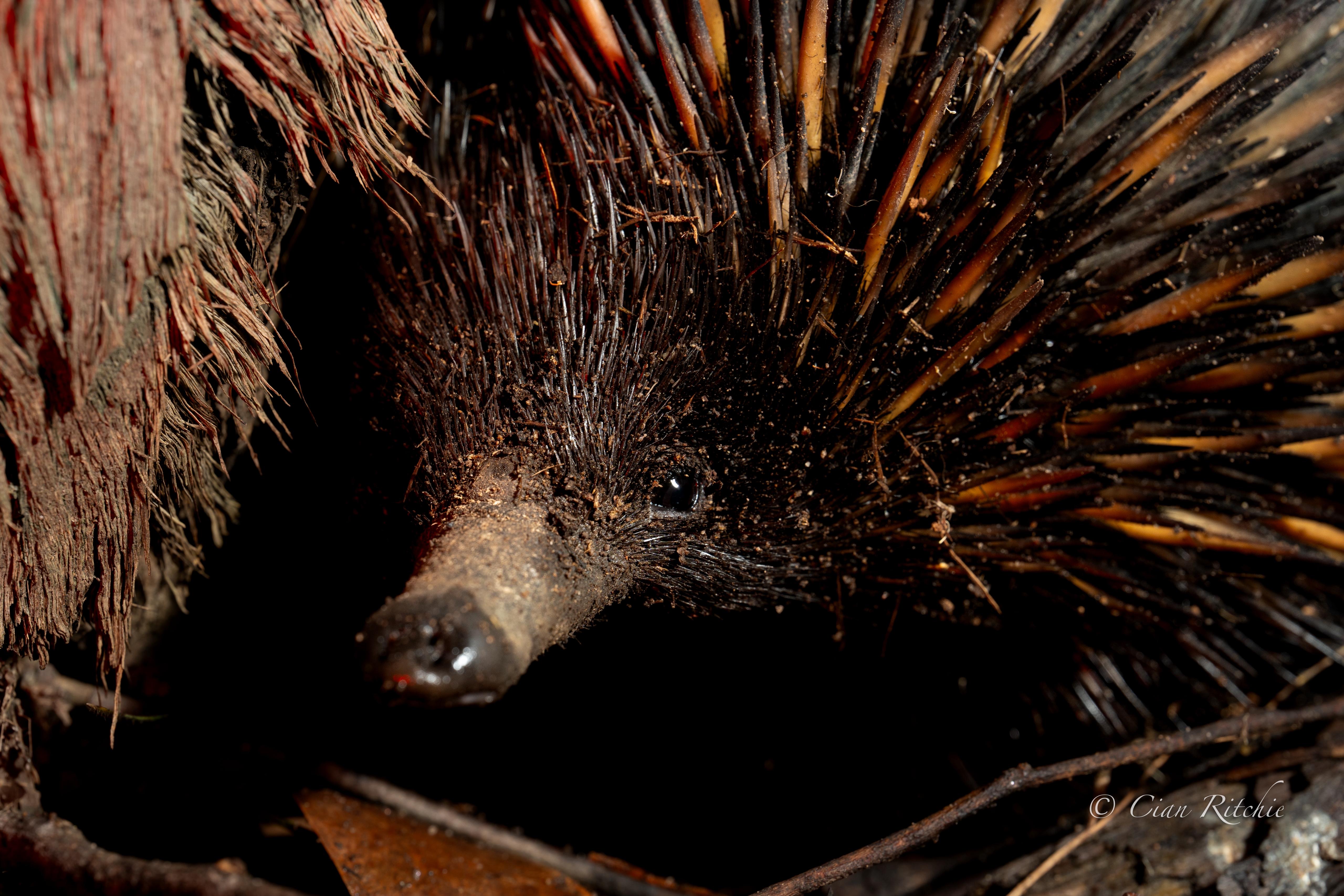
This echidna conservation project is establishing the first structured regional baseline of short-beaked echidna presence, habitat use, diet, and genetic diversity across South East Queensland in Australia. Echidnas are unique egg-laying mammals (monotremes) found in Australia and New Guinea. They are often assumed to be common, but they’re actually cryptic, data-deficient, and in the past, have been incredibly hard to study. Consequently, there isn’t any formal baseline on their abundance, distribution, or how they’re responding to major threats like climate change or invasive fire ants.
By building this baseline now, the project can detect population shifts early and guide future conservation decisions. Community members are trained to identify echidna signs, collect scats for genetic and diet analysis, and participate in long-term monitoring. The project combines community training, camera trap deployment, and ecological modelling to one of Australia’s most iconic but misunderstood species.
Over time, the project aims to grow a regional citizen science network that not only helps us better understand echidnas, but also deepens people’s connection to nature. By making science more accessible and participation more meaningful, they’re building something lasting, for wildlife, ecosystems, and the communities who care for them.
With the support of the Purpose Earth grant, this project will be able to build momentum for a sustainable, community-led echidna monitoring program across Southeast Queensland.
This funding will help the project:
• Engage and train bushcare groups, Land for Wildlife participants, and other local residents to monitor echidnas.
• Provide the equipment and resources needed to begin data collection across a range of urban, peri-urban, and bushland sites.
• Build a repeatable, structured monitoring process that can be continued each year during breeding season

“Without this funding, we can’t begin collecting consistent data at scale, and without data, we can’t understand if echidna numbers are declining or what threats they may be facing. This first phase is essential to getting the framework in place, building partnerships, and producing evidence that can inform future conservation work. Purpose Earth funding supports the very heart of this project: putting the tools of science into the hands of the community. It will also help us understand how climate change and invasive species may be impacting echidna survival, soil health, and biodiversity more broadly.”
– Dr Kate Dutton-Regester, Project Lead

Beautiful Earth

Transforming the Environment, Transforming Lives
